Best Bets for Accelerating Family Planning in Pakistan
Five selected initiatives, called “Five Best Bets”, were conceived as part of the support to the Task Forces in achieving the target for lowering population growth rate. The initiatives are based on evidence for what will work best in Pakistan in the light of experience in compatible contexts. The initiatives are proposed as part of the action on the Council of Common Interests decisions by the provincial and federal governments. This work was supported by Bill and Melinda Gates Foundation.
Best Bet 01
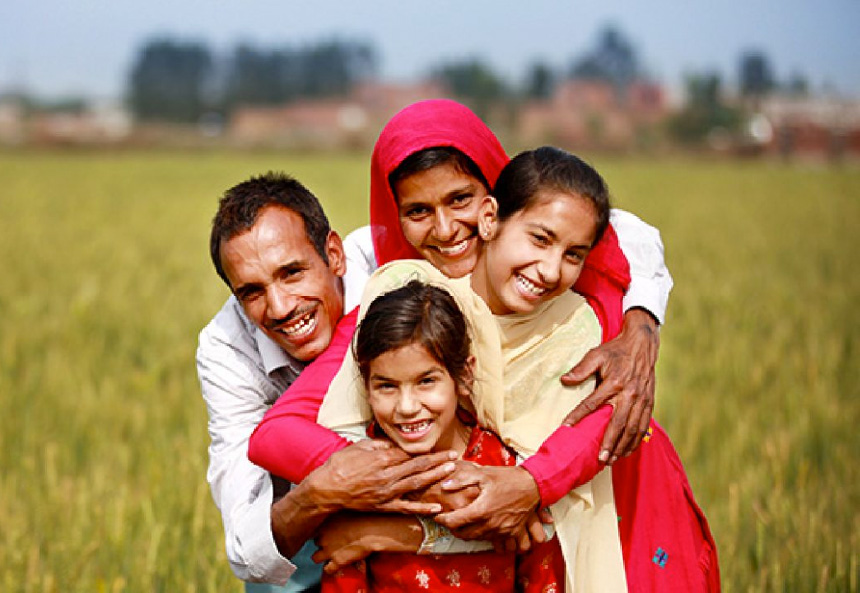
Additional Funding for Family Planning
We need to spend more on family planning services to fulfill the unmet need. Its a win-win proposition: spending more on family planning will mean spending less on reproductive health services and better health for mothers and children. Pakistan must take up this opportunity if we are to achieve sustainable population growth levels.
Best Bet 02

Voucher for Rights-based, Voluntry Family Planning
The international evidence shows that vouchers can play a critical role in improving access of poor and marginalized women to family planning and reproductive health services, of which they are generally deprived. By recognizing their right to these services, the voucher schemes enable the women and their husbands to take important decisions regarding the size of their family and spacing of children.
Best Bet 03

The case of engaging family Physician & for-profit Private...
The government cannot do it all alone, and every section of the society must play their role in bringing down population growth to sustainable levels_ This is the key message of the measures approved by the Council of Common Interests in promoting family planning This paper examines how the services of Family Physicians and for-profit private sector could be engaged towards this end.
Best Bet 04
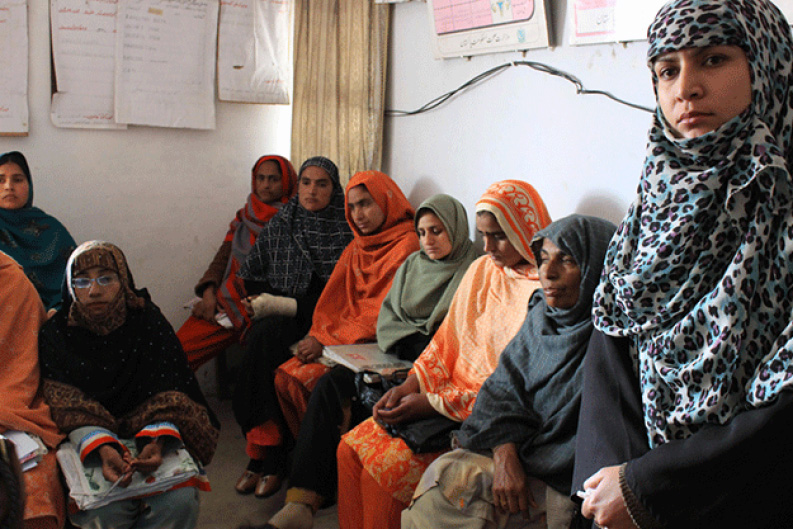
International evidence of community health workers...
After being entrusted many other tasks the Lady Health Workers do not accord the same priority to family planning services as they did in the initial period of the program_ Learning from some successful outreach programs in other countries a Community Health Workers' model is proposed that augments the role of LHW program in meeting the contraceptive needs of a fast-growing population.
Best Bet 05
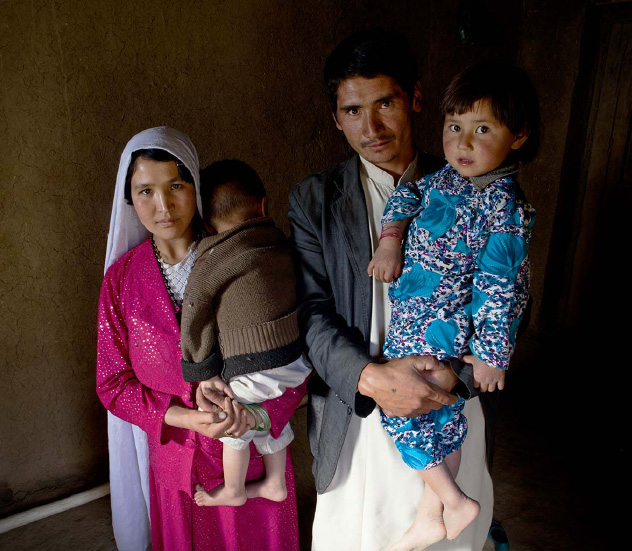
International evidence for Engaging Men & Boys in...
Involving young men to play a proactive role and take decisions regarding family planning could be a game changer, freeing the family planning service providers from business-as-usual routines. Indeed, if the goal of achieving sustainable population growth is to be achieved, we should learn from such initiatives around the globe.
Family Planning Policy Briefs & Best Practices (March 2022)
An updated, follow-up collection of strategic briefs highlighting high-impact, evidence-based practices ("Best Bets") designed to strengthen family planning service delivery in Pakistan. These publications provide actionable, data-driven recommendations on public-private partnerships, sustainable financing, community health worker integration, and male engagement.
Brief 01
Case for Engaging Family Physicians
An exploration of how a Total Market Approach can strengthen family planning markets in Pakistan by actively engaging family physicians and the commercial private sector to expand coverage.
Brief 02
Additional Funding for Family Planning
Highlighting key funding gaps in reproductive healthcare and presenting a strong, evidence-based case for increased, trackable investment in family planning services across Pakistan.
Brief 03
Vouchers for Rights-Based, Voluntary Family Planning
Analyzing voucher programs as an equitable demand-side and supply-side financing strategy designed to improve healthcare access and choice for marginalized groups.
Brief 04
Invest in Community Health Workers (CHWs)
Examining international evidence that supports integrating trained and supported Community Health Workers as a proven, high-impact practice to bridge access gaps in remote populations.
Punjab Health & Population Research
Comprehensive provincial data and baseline survey reports focused on Punjab. These publications evaluate healthcare coverage levels, assess regional family planning trends, and establish key indicators to measure the long-term impact of provincial health initiatives.
Khyber Pakhtunkhwa Health & Population Research
Baseline insights, regional indicators, and strategic key findings from Khyber Pakhtunkhwa's healthcare landscape. These reports provide the empirical foundation necessary to optimize provincial health programs, evaluate coverage, and guide regional policy design.
KP Research 01
Khyber Pakhtunkhwa Health and Population Survey (KPHPS) Key Findings
A high-level summary of the key findings and critical health metrics from the KPHPS 2024–25, highlighting provincial family planning trends and coverage baselines.
Community Midwives Plus Project (Sindh)
Insights and strategic briefs emerging from the Community Midwives (CMW) Plus Project implemented in Sindh. This section explores strategies to strengthen community-based healthcare ecosystems, revitalize field-level engagement, and pioneer group care models.
Sindh CMW 01
Strengthening the Community-based Healthcare System
An exploration of optimization approaches for Pakistan's rural healthcare frameworks, identifying mechanisms to systematically revitalize community midwife field engagement.
Sindh CMW 02
Community Midwives Plus Project in Sindh - Healthcare System
Analyzing collaborative integration workflows between Lady Health Workers and Community Midwives to optimize maternal care services at the basic community tier.