Population Center

Evidence • Insight • Impact

Research &Publications

Explore research, reports, policy briefs, and data-driven evidence informing better decisions across population, health, development, and social change.

Explore our evidence

Evidence that informsbetter decisions.

Explore Population Center research, reports, policy briefs, and evidence across population, health, climate, data systems, and social change.

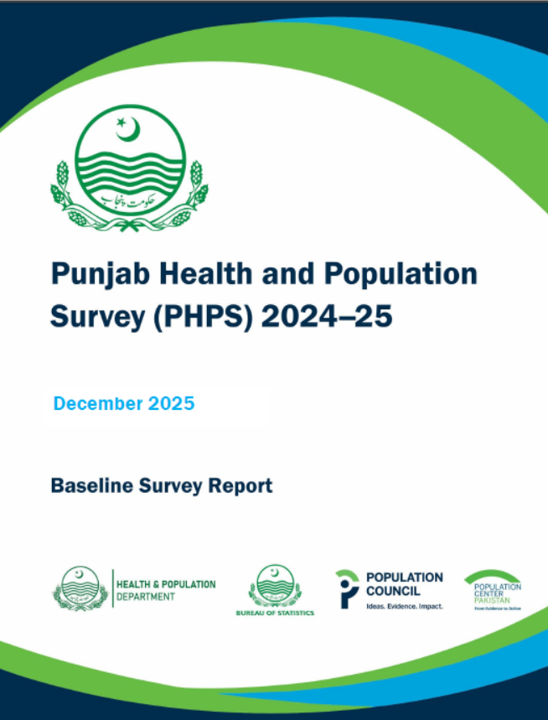
PHPS 2024–25 Baseline Survey Report cover
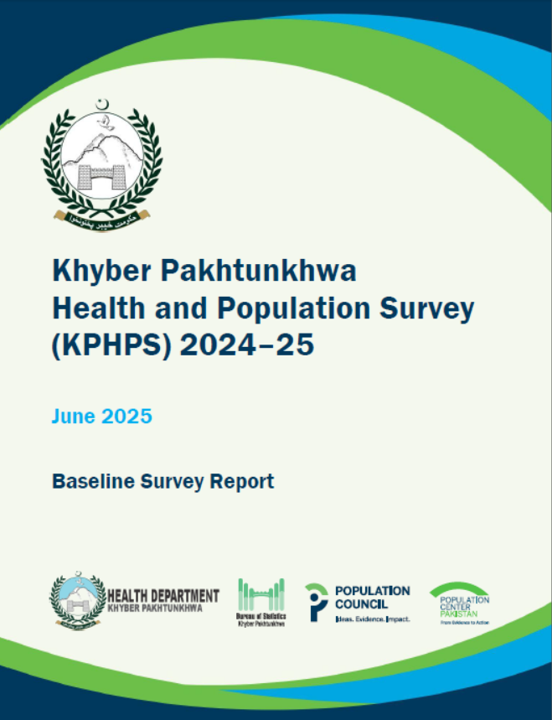
KPHPS 2024–25 Baseline Survey Report cover
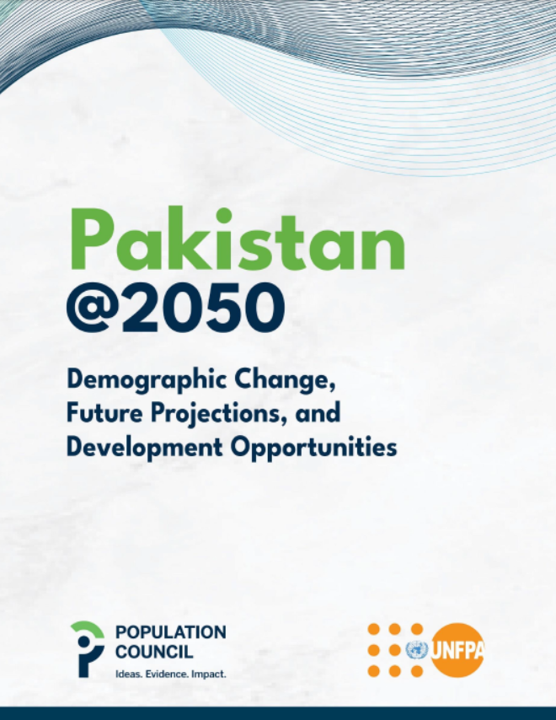
Pakistan@2050: Demographic Change, Future Projections, and Development Opportunities cover
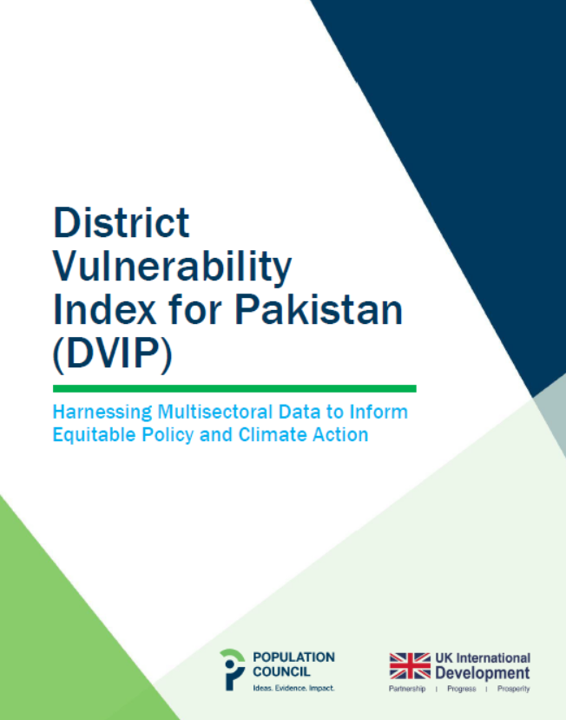
District Vulnerability Index for Pakistan cover

Evidence

Population • Health • Climate • Data

Research ReportsPolicy BriefsSurvey ReportsJournal ArticlesBriefs

Publication Library

Explore the evidence

Search and filter Population Center research by publication type, theme, geography, year, and project.

Publication Type
Theme
Geography
Year
Project
Clear Filters

Showing 1–6 of 25 publications

Page 1 of 5

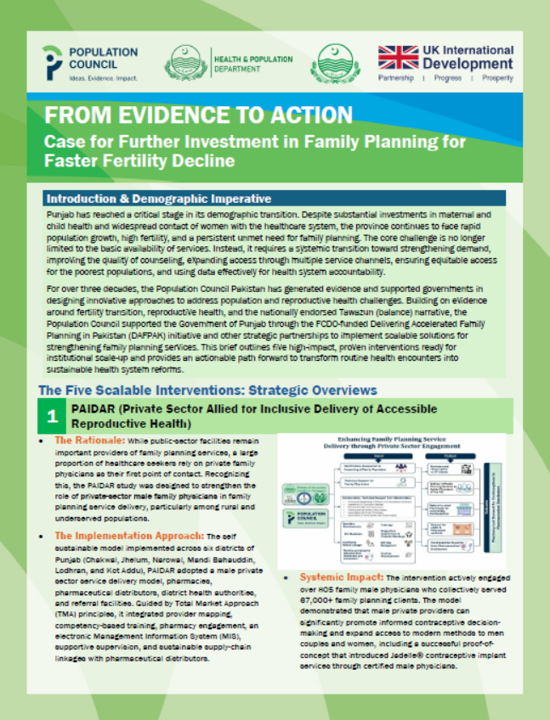
From Evidence to Action: Case for Further Investment in Family Planning for Faster Fertility Decline cover
Brief•June 2026

From Evidence to Action: Case for Further Investment in Family Planning for Faster Fertility Decline

Punjab

From Evidence to Action presents the case for further investment in family planning to accelerate fertility decline in Punjab. Drawing on evidence generated through DAFPAK and related partnerships, the brief brings together five scalable interventions: PAIDAR private-sector engagement, the Family Planning Voucher Scheme, data-driven decision support through ASET and DPT, client-centered communication, and the Tawazun/Waqfa social and behavioral change campaign. It sets out an institutionalization agenda focused on sustainable public-private partnerships, equity-focused financing, data-driven governance, client-centered services, and sustained social and behavior change.

Project
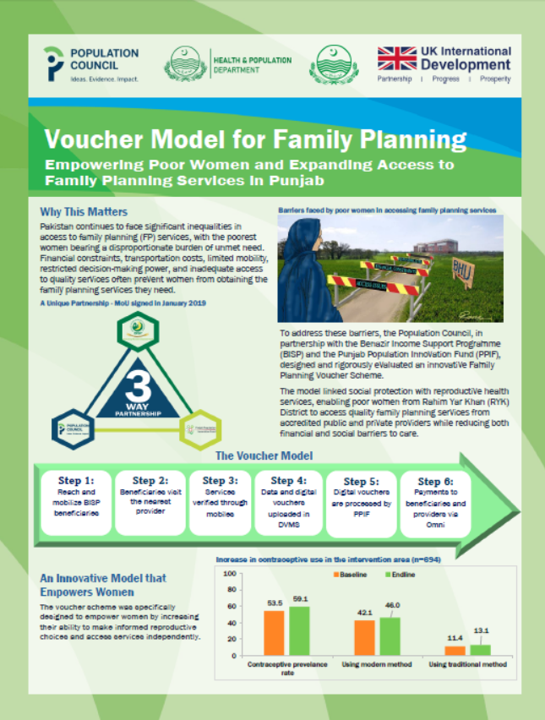
Voucher Model for Family Planning: Empowering Poor Women and Expanding Access to Family Planning Services in Punjab cover
Brief•June 2026

Voucher Model for Family Planning: Empowering Poor Women and Expanding Access to Family Planning Services in Punjab

Punjab

The Family Planning Voucher Scheme links social protection with reproductive health services to reduce financial, mobility, and access barriers for poor women. Designed and evaluated by the Population Council with BISP and the Punjab Population Innovation Fund, the model enabled eligible women to obtain services from accredited public and private providers using a digital voucher system. Evaluation results showed increased contraceptive use, reduced unmet need, and strong potential for province-wide scale-up.

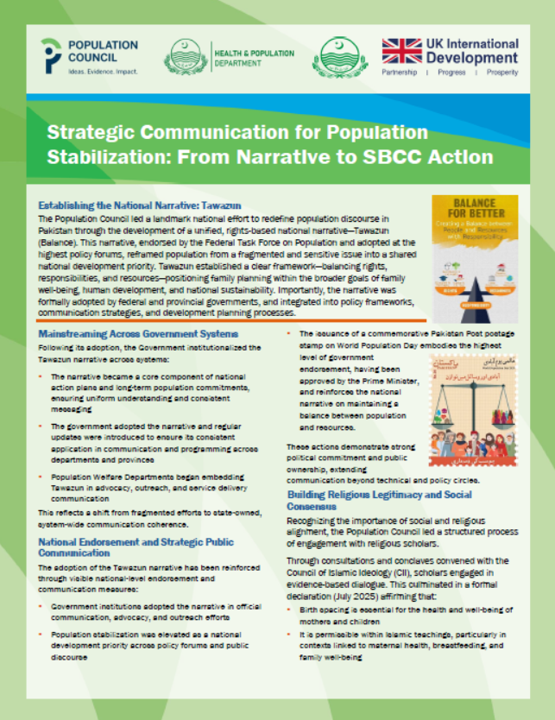
Strategic Communication for Population Stabilization: From Narrative to SBCC Action cover
Brief•June 2026

Strategic Communication for Population Stabilization: From Narrative to SBCC Action

Pakistan

Strategic Communication for Population Stabilization documents the progression from the nationally endorsed Tawazun narrative to large-scale social and behavioral change communication. The initiative established a rights-based population narrative, secured religious and cross-sectoral legitimacy, embedded consistent messaging within government systems, and translated the framework into the Waqfa birth-spacing campaign. It demonstrates how policy endorsement, religious engagement, media partnerships, and evidence-based messaging can build a coherent national communication model for population stabilization.

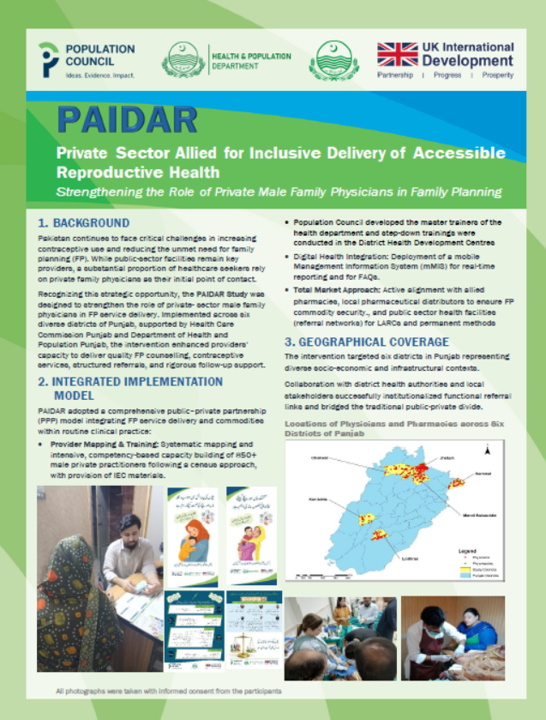
Private Sector Allied for Inclusive Delivery of Accessible Reproductive Health: Strengthening the Role of Private Male Family Physicians in Family Planning cover
Brief•June 2026

Private Sector Allied for Inclusive Delivery of Accessible Reproductive Health: Strengthening the Role of Private Male Family Physicians in Family Planning

Punjab

PAIDAR demonstrates how private-sector male family physicians can expand access to quality family planning services in Punjab. Implemented across six districts, the model combined provider mapping and competency-based training, digital reporting through a mobile MIS, pharmacy and pharmaceutical-distributor engagement, referral networks, and supportive supervision. The initiative engaged more than 805 physicians and served over 67,000 family planning clients, while also testing the provision of long-acting contraceptive methods through trained private providers.

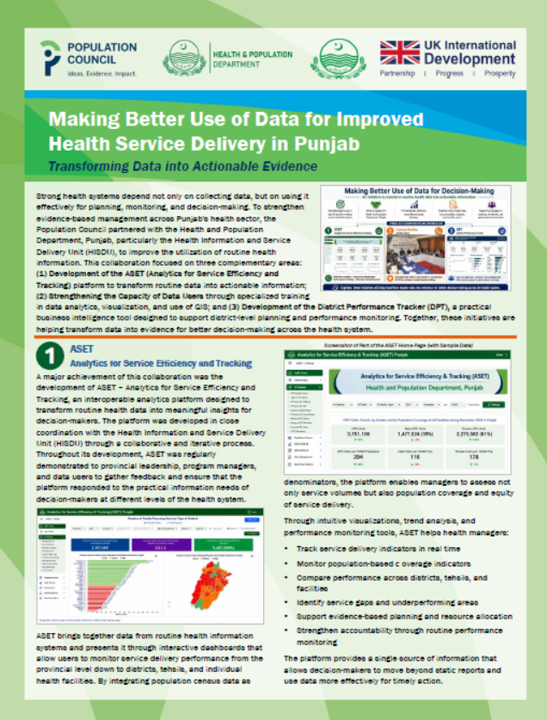
Making Better Use of Data for Improved Health Service Delivery in Punjab: Transforming Data into Actionable Evidence cover
Brief•June 2026

Making Better Use of Data for Improved Health Service Delivery in Punjab: Transforming Data into Actionable Evidence

Punjab

Making Better Use of Data for Improved Health Service Delivery in Punjab describes a collaboration between the Population Council and the Health and Population Department, Punjab, particularly HISDU, to strengthen the use of routine health information for planning and performance management. The work combines the ASET interoperable analytics platform, specialized training in data analytics, visualization and GIS, and the District Performance Tracker to help provincial and district managers turn routine data into actionable evidence.

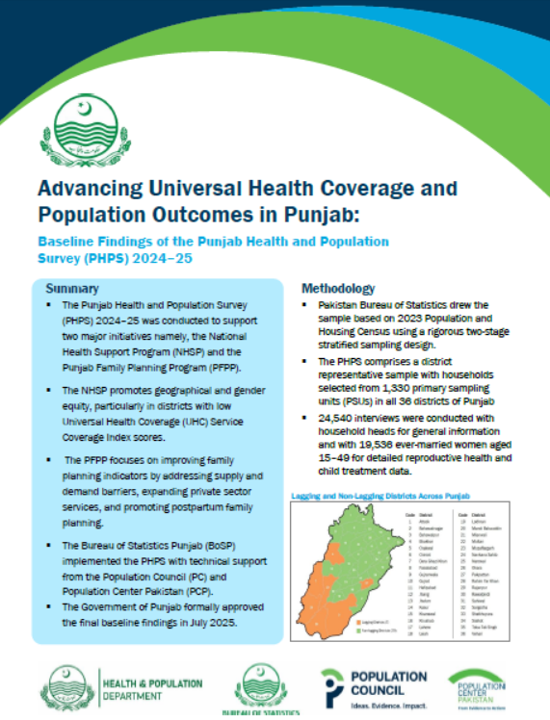
Advancing Universal Health Coverage and Population Outcomes in Punjab: Baseline Findings of the Punjab Health and Population Survey (PHPS) 2024–25 cover
Policy Brief•March 2026

Advancing Universal Health Coverage and Population Outcomes in Punjab: Baseline Findings of the Punjab Health and Population Survey (PHPS) 2024–25

Punjab

This policy brief translates the PHPS 2024–25 baseline findings into priorities for improving Universal Health Coverage and population outcomes in Punjab. It highlights gaps in continuity and quality of maternal healthcare, high cesarean-section prevalence, inequities in family planning access and counseling, child immunization gaps, and district-level disparities. The brief draws on a district-representative survey of 24,540 households and 19,536 ever-married women and identifies policy and service-delivery actions for stronger, more equitable health outcomes.

Project